By Amara Osei|February 2026|8 min read|
Kampala, Uganda
Share
When Amara moved into her 30-square-meter apartment in Kampala's Bukoto neighbourhood, the living room was a bare concrete box with fluorescent lighting and a single window facing east. Nine months later, it had become one of the most photographed spaces in our Apartment Tour series.
Starting With Nothing
The apartment was a rental, which meant structural changes were off the table. No knocking down walls, no rewiring, no permanent fixtures. This is the reality for most young creatives in Kampala — you work within constraints that would make most designers in other markets pause. But constraints, as Amara puts it, are just "invitations to be clever."
The living area before any work began — bare walls, fluorescent lighting, concrete floor.
Local Materials, Global Sensibility
The first decision was the floor. Rather than covering the concrete with imported laminate, Amara sourced hand-poured terrazzo tiles from a workshop in Jinja. The warm, speckled surface immediately transformed the room's character. "I wanted something that felt like it belonged here," she explains. "Not like it had been shipped from somewhere else and dropped into an African apartment."
The furniture tells a similar story. The coffee table was built by a carpenter in Katwe from reclaimed mvule wood. The shelving system — a modular grid of locally welded steel and hand-stained plywood — was designed by Amara herself and fabricated by a metalworker she found through the Design Diary community.
"The best interiors don't look designed. They look lived in. They look like someone actually exists there."
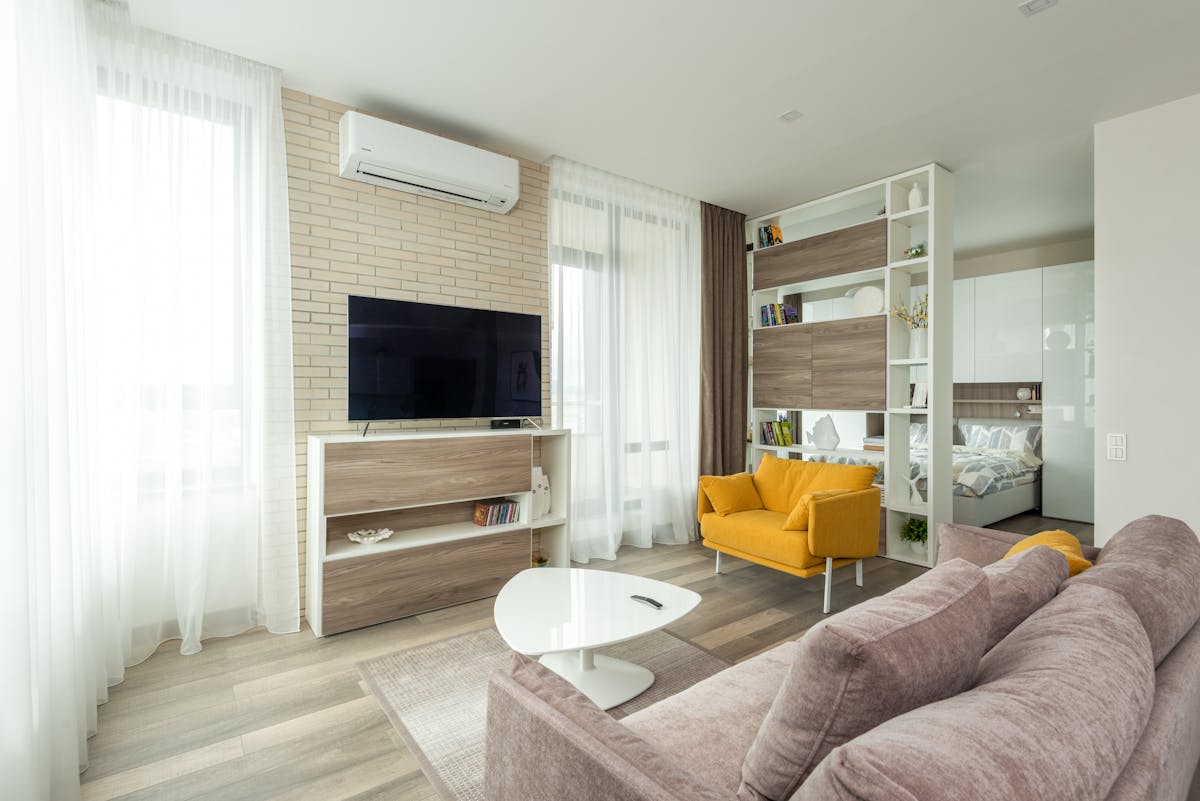
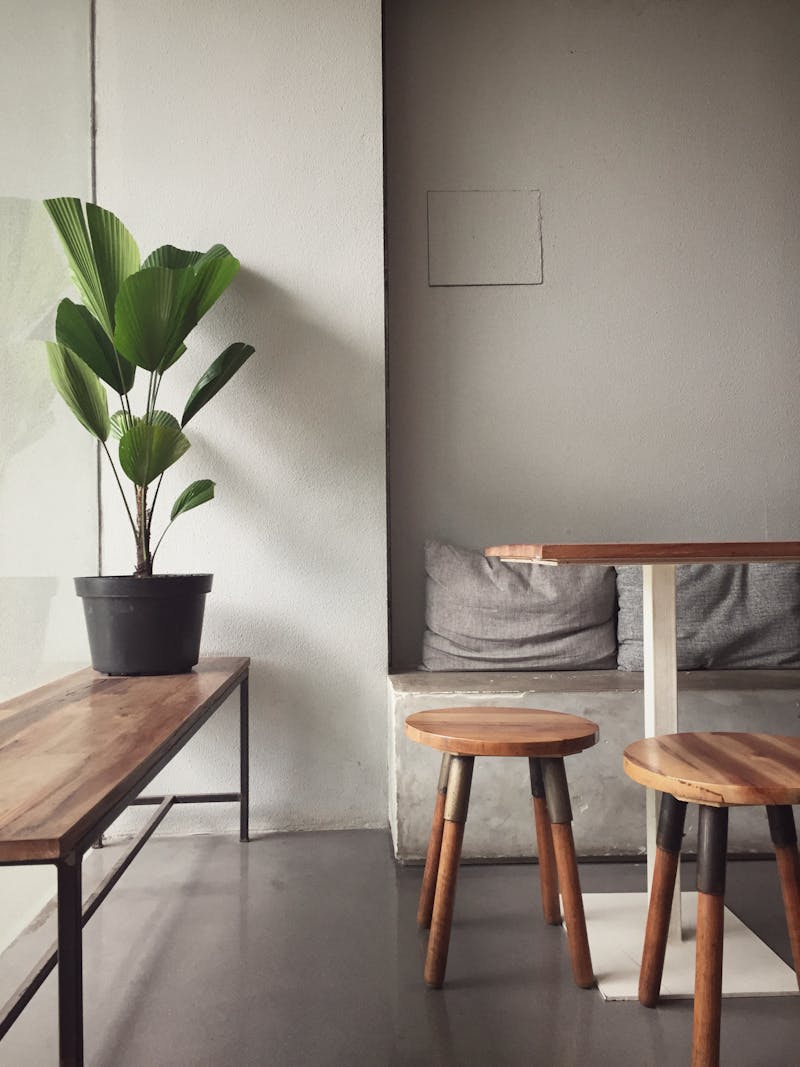
Custom shelving and locally sourced textiles create warmth in the living area.
The Power of Textiles
What truly brought the space together was the textile layer. A hand-woven bark cloth throw from a women's cooperative in Masaka. Cushions covered in kitenge prints sourced from Owino Market. A vintage Ugandan flag repurposed as wall art. Each piece carries a story, a maker, a place of origin.
Lessons From This Space
1
Constraints breed creativity — rental limitations forced more inventive solutions
2
Local materials create authenticity — sourcing locally isn't just ethical, it's aesthetic
3
Every piece should earn its place — in 30sqm, there's no room for filler
Amara's apartment is proof that you don't need a massive budget or a permanent address to create a space that feels intentional. You just need to care deeply about the choices you make — and to know where to find the right people to make them with you.
Share this story
Amara Osei
Contributing Writer
Amara covers design, architecture, and creative culture across East Africa for Design Diary.